In LNG delivery, efficiency depends on how well the whole system works together, from storage and vaporization to pressure control and final distribution. In our experience, the pressure regulating station is one of the most important parts because it helps keep the gas supply stable and reliable.
A pressure regulating station does more than reduce pressure. It helps maintain steady flow, protects downstream equipment, improves safety, and supports consistent gas delivery under changing demand conditions. Without reliable pressure control, even a well-designed LNG system may face waste, interruptions, or uneven performance.
Why pressure control matters in LNG delivery
LNG systems operate across multiple stages, and each stage has its own pressure requirements. After LNG is stored in cryogenic tanks, it is vaporized and converted into natural gas for downstream use. However, the pressure at the point of vaporization is not always suitable for final delivery. End users, burners, boilers, generators, and pipeline networks usually require gas within a controlled pressure range.
If pressure is too high, downstream equipment may be damaged, safety risks may increase, and energy may be used inefficiently. If pressure is too low, flow can become unstable, combustion performance may suffer, and users may experience interruptions.
This is where a pressure regulating station becomes essential. It acts as a balancing point in the system, ensuring that gas is delivered at the right pressure for the right application.
What a pressure regulating station actually does
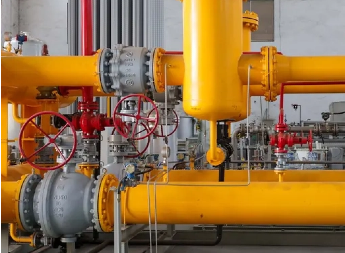
A pressure regulating station is typically installed downstream of LNG vaporization equipment and upstream of the end-use system or gas distribution network. Its core function is to reduce and stabilize gas pressure, but in practice it also serves several broader operational roles.
These stations often include:
Pressure regulators
Safety shut-off valves
Relief valves
Filters
Flow meters
Monitoring instruments
Control panels
Together, these components help the station manage pressure changes, respond to abnormal conditions, and maintain stable gas delivery under variable operating loads.
More than pressure reduction
A common misunderstanding is that a pressure regulating station is simply a mechanical pressure reducer. In reality, it is a control and protection unit. It allows the LNG supply system to adapt to fluctuating downstream demand while keeping the gas supply safe and predictable.
That adaptability is a major reason why pressure regulating stations contribute directly to LNG delivery efficiency.
Key ways a pressure regulating station improves delivery efficiency
1. It stabilizes downstream gas supply
In real operating conditions, gas demand is rarely constant. Factories may run different production lines at different times. Commercial users may experience morning and evening demand peaks. Backup power systems may switch on suddenly. These demand changes can cause pressure fluctuations if the system lacks proper regulation.
A pressure regulating station absorbs those fluctuations and delivers a stable outlet pressure. This stability improves the performance of downstream equipment and reduces the likelihood of process interruptions.
When end users receive gas at a consistent pressure, combustion systems run more efficiently, equipment calibration remains more accurate, and operators spend less time responding to avoidable pressure-related issues.
2. It reduces waste caused by overpressure or poor matching
When gas pressure is not matched properly to the requirements of the end-use system, efficiency suffers. Overpressure can force unnecessary stress on the pipeline and equipment, while underpressure can lead to incomplete combustion or reduced output.
A pressure regulating station ensures the gas pressure is aligned with actual process needs. This matching reduces losses, avoids unnecessary pressure drop across the system, and supports more efficient use of the vaporized LNG.
In practical terms, that means the energy contained in the gas is delivered more effectively to the final application rather than being lost through unstable operation or repeated correction.
3. It protects equipment and lowers maintenance frequency
Downstream systems such as burners, boilers, engines, and gas trains are designed to operate within specific pressure ranges. Repeated exposure to unstable or excessive pressure can shorten service life, increase maintenance needs, and lead to unplanned shutdowns.
By maintaining controlled delivery pressure, a pressure regulating station helps protect these assets. That protection translates into better delivery efficiency because the overall LNG supply system remains available, reliable, and less prone to disruption.
Efficiency is not just about flow rate. It is also about avoiding downtime, reducing repair costs, and keeping the system operating smoothly over time.
4. It improves operational safety
Safety and efficiency are closely connected. A system that frequently triggers alarms, emergency shut-offs, or manual interventions is not operating efficiently, even if it can technically deliver gas.
Pressure regulating stations often include multiple protective features such as overpressure shut-off, relief devices, and instrument monitoring. These features reduce the risk of accidents while also supporting more stable daily operation.
The safer the system is, the more confidently operators can run it at the intended performance level.
A practical comparison
The table below shows how LNG delivery performance typically changes when a pressure regulating station is properly integrated into the gas supply system.
Operating Aspect |
Without Effective Pressure Regulating Station |
With Proper Pressure Regulating Station |
Outlet pressure stability |
Frequent fluctuations |
Stable and controlled |
Downstream equipment protection |
Higher risk of stress and damage |
Better protection and longer service life |
Gas utilization efficiency |
Lower due to mismatch and instability |
Higher due to pressure optimization |
Maintenance frequency |
More frequent interventions |
Reduced maintenance demand |
Safety response capability |
Limited or inconsistent |
Improved with integrated protection devices |
Delivery continuity |
More prone to interruption |
More reliable and continuous |
Operator workload |
Higher due to manual adjustments |
Lower due to smoother operation |
Pressure regulating stations in changing demand scenarios
One of the greatest challenges in LNG delivery is that demand does not stay fixed. Even well-planned facilities face variation in gas consumption throughout the day or across seasons.
Peak demand periods
During peak usage, downstream systems may require a sudden increase in gas flow. If the supply pressure is not regulated properly, pressure can fall too quickly or fluctuate across the network. This may affect equipment performance or force operators to intervene manually.
A well-designed pressure regulating station helps the system respond more smoothly by maintaining controlled output even as demand rises.
Low-load operation
At low demand, excessive pressure can become an issue. Without proper regulation, gas may be delivered at a higher pressure than needed, increasing inefficiency and placing unnecessary load on valves and connected equipment.
Pressure regulation helps maintain control even when the system is operating below peak capacity, which is especially important for facilities with variable or intermittent consumption patterns.
Supporting system integration and long-term performance
A pressure regulating station is not a standalone efficiency solution. Its full value appears when it is integrated correctly into the LNG delivery chain.
That includes proper selection of regulator size, inlet and outlet pressure ranges, safety accessories, control logic, and monitoring instruments. It also includes consideration of the specific gas consumption pattern, environmental conditions, and downstream equipment requirements.
Design matters as much as equipment quality
Even high-quality components cannot deliver strong results if the station is poorly matched to the system. Oversized or undersized regulators, inadequate filtration, or missing safety functions can reduce the station’s effectiveness.
In our view, efficient LNG delivery depends on combining sound engineering with reliable equipment selection. The pressure regulating station should be treated as a system solution, not just a purchased product.
Monitoring creates better operating decisions
Modern pressure regulating stations can be equipped with instrumentation that helps operators understand pressure behavior, detect abnormal conditions early, and optimize performance over time.
This is particularly valuable in LNG applications where supply conditions, ambient temperatures, and usage patterns may change. Better visibility leads to better control, and better control leads to better delivery efficiency.
Industries that benefit from efficient pressure regulation
Pressure regulating stations support LNG delivery in a wide range of applications, including:
Industrial heating systems
Gas-fired boilers
Power generation units
Commercial energy centers
Satellite LNG stations
Regional gas supply projects
Transportation fueling support systems
In each of these settings, efficient gas delivery depends on stable pressure, safe operation, and compatibility with downstream demand. The pressure regulating station helps connect those requirements in a practical and measurable way.
Looking beyond basic functionality
As LNG infrastructure expands, users are expecting more from every part of the supply system. They do not only want equipment that works; they want equipment that helps improve efficiency, reduce operational uncertainty, and support long-term reliability.
This is why the pressure regulating station deserves more attention during LNG project planning. It influences gas quality at the point of use, the stability of the supply network, the response to load changes, and the protection of valuable downstream assets.
When viewed from that broader perspective, the station is not just a pressure control device. It is part of the efficiency strategy of the entire LNG delivery system.
Conclusion
A pressure regulating station plays an important role in LNG delivery efficiency by maintaining stable gas pressure, supporting continuous supply, and protecting downstream equipment. With proper pressure control, LNG systems can operate more safely, smoothly, and efficiently under changing demand conditions.
For LNG projects seeking reliable long-term performance, a well-designed pressure regulating station is an essential part of the overall system. To learn more about practical LNG solutions and system integration, readers can explore NOBLEST EQUIPMENT TECH LIMITED for further information.
FAQ
Q: How does a pressure regulating station improve LNG delivery efficiency?
A: It improves efficiency by keeping gas pressure stable, reducing flow fluctuations, and protecting downstream equipment.
Q: Why is stable gas pressure important in an LNG delivery system?
A: Stable pressure helps ensure safe operation, steady combustion, and reliable gas supply.
Q: Where is a pressure regulating station installed in an LNG system?
A: It is usually installed after the vaporizer and before the end-use system or gas pipeline.
Q: What should users consider when selecting a pressure regulating station for LNG applications?
A: They should consider pressure range, flow demand, safety features, and system compatibility.


