In the cryogenic industry, the conversion of liquid gases such as LNG (Liquefied Natural Gas), LOX (Liquid Oxygen), and LIN (Liquid Nitrogen) into their gaseous forms is a crucial process. This vaporization process is not only essential for the safe and efficient handling of cryogenic fluids but also for ensuring a steady supply of gas for various industrial, medical, and scientific applications. Among the different vaporization methods, Water Bath Vaporizers are recognized for their efficiency, versatility, and reliability.
This article delves into the key advantages of Water Bath Vaporizers compared to other vaporization methods, such as electric and air-heated vaporizers. We will explore how Water Bath Vaporizers work, their key features, and why they are often the preferred choice in industries that demand consistent and efficient vaporization.
1. The Working Principle of Water Bath Vaporizers
1.1 How Water Bath Vaporizers Work
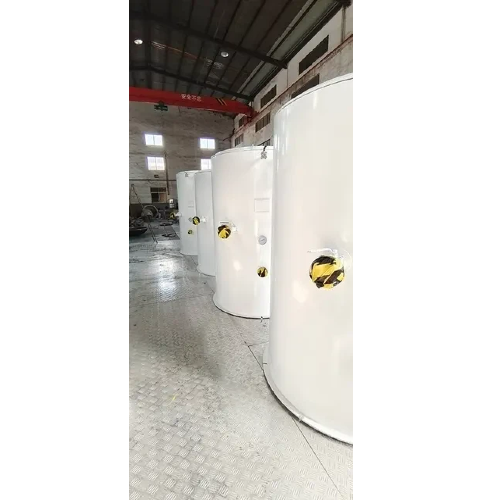
A Water Bath Vaporizer operates by using a water bath to heat and vaporize cryogenic liquids. Cryogenic liquids are stored at extremely low temperatures and under high pressure to maintain their liquid form. The Water Bath Vaporizer consists of a heat exchanger or coil submerged in a tank of heated water. As the cryogenic liquid flows through the coil, it absorbs heat from the surrounding water, gradually warming up until it vaporizes into gas.
The efficiency of this process relies heavily on the heat transfer capabilities of water, making it a more energy-efficient and cost-effective solution compared to other vaporization methods.
1.2 Comparison to Other Methods
There are several methods of vaporization in use today, including electric vaporizers and air-heated vaporizers. In electric vaporizers, electrical energy is used to heat a coil or surface in direct contact with the cryogenic liquid, whereas air-heated vaporizers use ambient air or heated air to heat the liquid. These methods typically require more energy and may not provide as stable or efficient vaporization, particularly in larger-scale operations.
In comparison, Water Bath Vaporizers benefit from the natural high thermal conductivity of water, which allows for more efficient heat transfer. This results in lower energy consumption and greater vaporization efficiency.
2. Key Advantages of Water Bath Vaporizers Over Other Methods
2.1 Superior Heat Transfer Efficiency
Water as an Effective Heat Medium
One of the primary advantages of Water Bath Vaporizers is the superior heat transfer efficiency provided by water. Water, due to its high thermal conductivity, effectively transfers heat from the heating source to the cryogenic liquid. This ensures that the liquid rapidly reaches the desired temperature for vaporization.
Comparison to Electric and Air-Heated Vaporizers
Electric and air-heated vaporizers, although effective, are generally less efficient because they require direct heating elements that are either energy-intensive or slower in transferring heat. For instance, electric vaporizers use electrical resistance to generate heat, which can result in significant energy losses. Air-heated vaporizers, on the other hand, rely on air that may not always be at the optimal temperature, leading to inconsistent performance.
Method |
Heat Transfer Efficiency |
Energy Consumption |
Speed of Vaporization |
Water Bath Vaporizer |
High |
Low |
Fast |
Electric Vaporizer |
Moderate |
High |
Moderate |
Air-Heated Vaporizer |
Low |
Moderate |
Slow |
As shown in the table, Water Bath Vaporizers are more efficient and faster, ensuring quicker vaporization while using less energy.
2.2 Higher Capacity and Versatility in Handling Cryogenic Fluids
Wide Range of Gas Types
Water Bath Vaporizers can handle a wide variety of cryogenic fluids. This versatility is a significant advantage, as it allows them to be used across a wide range of industries. Some of the gases that can be vaporized using these systems include:
LNG (Liquefied Natural Gas)
LOX (Liquid Oxygen)
LAR (Liquid Argon)
LPG (Liquefied Petroleum Gas)
CO2 (Liquid Carbon Dioxide)
This flexibility allows Water Bath Vaporizers to serve various sectors such as natural gas processing, chemical manufacturing, and even medical gas supply.
Adaptability to Flow and Pressure Requirements
Another key advantage of Water Bath Vaporizers is their adaptability to different operational requirements. They can be customized to handle various flow rates and pressures based on the specific needs of the industry. The ability to adjust flow rates between 1,000 Nm³/h and 80,000 Nm³/h and pressures from 0.4 MPa to 60 MPa ensures that these vaporizers can handle both small-scale and large-scale operations efficiently.
2.3 Stable and Consistent Performance
Maintaining Constant Gas Supply
Water Bath Vaporizers are known for their consistent vaporization, which makes them ideal for applications where a constant supply of gas is required. The water bath provides stable thermal conditions, enabling the system to vaporize liquid cryogen consistently even under fluctuating demand. This stability ensures that the gas supply remains uninterrupted, which is crucial in industries such as LNG fueling and medical gas supply.
Advantages Over Electric Systems
In comparison, electric vaporizers may struggle to maintain consistent performance under varying loads. The electric elements may heat up too quickly or not reach the desired temperature efficiently, causing fluctuations in vapor output. Water Bath Vaporizers, however, maintain a steady rate of heat transfer, ensuring stable vaporization and gas delivery.
3. Energy Efficiency and Cost-Effectiveness
3.1 Energy Savings in Operation
Water as an Energy-Efficient Medium
The efficiency of Water Bath Vaporizers translates directly into energy savings. Unlike electric vaporizers that rely on electricity to heat the liquid, Water Bath Vaporizers utilize the thermal properties of water to conduct heat. This significantly reduces energy consumption, especially when dealing with large volumes of cryogenic liquids.
In high-demand applications, this energy efficiency can lead to substantial cost savings over time.
Sustainability
The ability of Water Bath Vaporizers to operate with minimal energy input also contributes to their environmental sustainability. By reducing energy consumption, these vaporizers help industries lower their carbon footprint, making them an eco-friendly solution for vaporization needs.
3.2 Lower Operational and Maintenance Costs
Reduced Maintenance Needs
Water Bath Vaporizers require less maintenance than electric or air-heated systems. This is due to their simpler design and the absence of fragile electric components that are prone to wear and tear. The heat exchanger in Water Bath Vaporizers is durable and easy to maintain, leading to lower operational costs.
Simpler Design
Water Bath Vaporizers have a relatively simple mechanical design compared to electric vaporizers, which require complex electrical components and control systems. This simplicity not only reduces the likelihood of mechanical failure but also decreases maintenance costs.
4. Safety and Reliability of Water Bath Vaporizers
4.1 Built-in Safety Features
Pressure Relief and Temperature Control
Water Bath Vaporizers are equipped with several safety mechanisms to ensure safe and reliable operation. These include pressure relief valves that prevent over-pressurization, as well as temperature control systems that maintain the water bath at an optimal temperature to ensure consistent vaporization.
Enhanced Safety Over Electric Vaporizers
Compared to electric vaporizers, Water Bath Vaporizers are safer due to their more stable temperature regulation. Electric systems, especially those with resistance heating elements, can pose a risk of overheating or electrical failure, whereas Water Bath Vaporizers rely on water, which is less prone to overheating or causing electrical hazards.
4.2 Reliable Performance in Various Conditions
Water Bath Vaporizers offer reliable performance even under extreme conditions. While electric and air-heated vaporizers may struggle in low-temperature environments or high-demand scenarios, the design of Water Bath Vaporizers ensures stable operation regardless of external conditions.
5. Environmental Impact and Sustainability
5.1 Eco-Friendly Operation
Lower Emissions
The energy efficiency of Water Bath Vaporizers not only leads to cost savings but also contributes to lower emissions. By using water as a heat medium, these systems reduce the overall energy consumption compared to electric or air-heated systems, which rely on less efficient heating methods.
Energy Reduction
Since Water Bath Vaporizers require less energy to operate, they help reduce the environmental impact of vaporization processes. This makes them an environmentally sustainable choice for industries looking to reduce their carbon footprint.
5.2 Long-Term Environmental Benefits
Water Bath Vaporizers are particularly beneficial for high-volume operations, where long-term energy efficiency and reduced environmental impact are critical. Their ability to consistently and efficiently vaporize large volumes of cryogenic fluids ensures that these operations can be carried out with minimal environmental disruption.
6. Conclusion
Water Bath Vaporizers offer numerous advantages over other vaporization methods. With their superior heat transfer efficiency, versatility in handling multiple cryogenic gases, and consistent performance, they are the ideal choice for industries that need reliable and cost-effective vaporization solutions. Additionally, their energy efficiency, lower maintenance costs, and environmental benefits further enhance their appeal.
At NOBLEST EQUIPMENT TECH LIMITED, we specialize in providing high-quality Water Bath Vaporizers tailored to meet the unique needs of our clients. Our vaporizers ensure a safe, efficient, and sustainable vaporization process, helping industries optimize their operations while reducing environmental impact. Whether you require a solution for LNG, oxygen, or other cryogenic fluids, we offer customized products to suit your requirements.
If you’re looking to improve your vaporization process, contact us today to learn more about how our Water Bath Vaporizers can benefit your business. Our team is ready to provide expert advice and support for your specific needs.
7. FAQ
1. How does a Water Bath Vaporizer achieve higher heat transfer efficiency compared to electric vaporizers?
Water Bath Vaporizers use water, which has high thermal conductivity, allowing for faster and more consistent heat transfer compared to electric vaporizers, which rely on electrical resistance for heat generation.
2. Can Water Bath Vaporizers handle all types of cryogenic gases?
Yes, Water Bath Vaporizers are highly versatile and can handle various cryogenic gases, including LNG, LOX, LAR, LPG, and CO2, making them suitable for many industrial applications.
3. What makes Water Bath Vaporizers more cost-effective than other vaporization methods?
Water Bath Vaporizers are more energy-efficient, requiring less energy to vaporize large volumes of cryogenic liquids. Their simple design also reduces maintenance costs compared to electric or air-heated vaporizers.
4. How safe are Water Bath Vaporizers compared to electric and air-heated systems?
Water Bath Vaporizers are equipped with built-in safety features such as pressure relief valves and temperature control systems, ensuring safer and more reliable operation compared to electric and air-heated systems.
5. Are Water Bath Vaporizers more environmentally friendly than other vaporization methods?
Yes, Water Bath Vaporizers are more energy-efficient and produce fewer emissions, making them a more environmentally friendly option compared to electric and air-heated systems.


