In industries that handle cryogenic gases like LNG (Liquefied Natural Gas), LOX (Liquid Oxygen), and LIN (Liquid Nitrogen), vaporization is a crucial process. The proper vaporization of these liquids into gas is necessary to make them usable in various applications, including fueling, industrial gas supply, and medical uses. Different vaporization methods are available, with Water Bath Vaporizers and Ambient Air Vaporizers being two common options.
This article delves into a detailed comparison between Water Bath Vaporizers and Ambient Air Vaporizers. We will discuss their working principles, key differences, advantages, energy efficiency, reliability, and cost-effectiveness. The goal is to highlight why Water Bath Vaporizers often outperform Ambient Air Vaporizers for large-scale and high-demand applications.
1. Basic Functionality of Water Bath Vaporizers vs. Ambient Air Vaporizers
1.1 How Water Bath Vaporizers Work
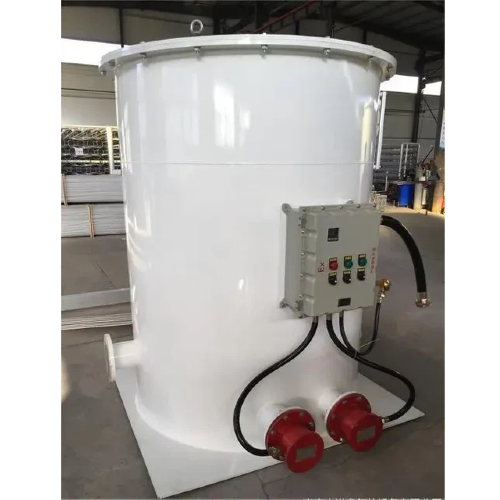
A Water Bath Vaporizer operates by immersing a heat exchanger or coil in a tank filled with heated water. Cryogenic liquid, such as LNG or liquid oxygen, flows through the coil and absorbs heat from the water. The heat from the water bath causes the cryogenic liquid to warm up, turning it into gas. The vaporized gas then exits the vaporizer and is ready for use.
The heat transfer process in a Water Bath Vaporizer is efficient due to the high thermal conductivity of water, which allows for rapid and even heating of the cryogenic liquid. This ensures that the liquid is vaporized consistently, providing a stable and reliable gas supply.
1.2 How Ambient Air Vaporizers Work
In contrast, Ambient Air Vaporizers use ambient air to heat the cryogenic liquid. These vaporizers rely on the natural air temperature or, in some cases, heated air supplied by external energy sources like electric heaters. Cryogenic liquid is passed through coils or heat exchangers, where it absorbs heat from the air, causing it to vaporize.
The efficiency of Ambient Air Vaporizers is limited by the lower thermal conductivity of air. Since air’s ability to transfer heat is not as effective as water, these vaporizers generally require longer vaporization times and are less efficient than Water Bath Vaporizers.
2. Key Differences in Heat Transfer Efficiency
2.1 Heat Transfer in Water Bath Vaporizers
Water is an excellent conductor of heat, which makes Water Bath Vaporizers highly efficient. The water bath can maintain a steady temperature, ensuring that the heat is evenly distributed throughout the system. This leads to faster vaporization times and consistent output, making Water Bath Vaporizers particularly effective for large-scale operations where high volumes of gas are needed.
Table 1: Heat Transfer Efficiency Comparison
Vaporizer Type | Heat Transfer Medium | Thermal Conductivity | Vaporization Speed | Energy Efficiency |
Water Bath Vaporizer | Water | High | Fast | High |
Ambient Air Vaporizer | Air | Low | Slow | Moderate |
As shown in Table 1, Water Bath Vaporizers excel in both thermal conductivity and vaporization speed, making them a superior choice for operations that require rapid and consistent gas output.
2.2 Heat Transfer in Ambient Air Vaporizers
In Ambient Air Vaporizers, air’s low thermal conductivity means that it takes longer to heat the cryogenic liquid to the required temperature for vaporization. This leads to slower vaporization times and less efficient performance. Furthermore, these vaporizers are highly dependent on the ambient temperature and may struggle in colder weather, which can further reduce their efficiency.
3. Performance and Capacity
3.1 Vaporization Rate in Water Bath Vaporizers
Water Bath Vaporizers are known for their high vaporization rate, making them ideal for large-scale operations. These vaporizers can handle high volumes of cryogenic liquid and deliver consistent vaporization. Their ability to maintain steady heat transfer ensures that they can keep up with high flow rates without compromising efficiency.
For industries requiring large quantities of gas, such as LNG fueling stations, industrial gas suppliers, and medical gas production, Water Bath Vaporizers provide a reliable and fast solution to meet demand.
3.2 Vaporization Rate in Ambient Air Vaporizers
Ambient Air Vaporizers, on the other hand, have a slower vaporization rate compared to Water Bath Vaporizers. Due to the lower thermal conductivity of air, these systems require more time to heat cryogenic liquids to the necessary temperature. This makes them less suitable for applications that need quick vaporization, such as large-scale fueling stations or high-demand industrial processes.
3.3 Capacity Comparison
Vaporizer Type | Flow Rate | Vaporization Speed | Application Suitability |
Water Bath Vaporizer | High (1,000–80,000 Nm³/h) | Fast | Large-scale, high-demand |
Ambient Air Vaporizer | Low to Medium | Slow | Small-scale, lower demand |
Water Bath Vaporizers are better suited for large-scale operations, while Ambient Air Vaporizers are more appropriate for smaller, less demanding applications.
4. Energy Efficiency and Operational Costs
4.1 Energy Efficiency of Water Bath Vaporizers
Water Bath Vaporizers are known for their energy efficiency. Because water has high thermal conductivity, it can transfer heat more effectively, reducing the amount of energy required to vaporize large volumes of cryogenic liquid. This makes Water Bath Vaporizers a more cost-effective choice for high-volume operations.
Moreover, these vaporizers maintain consistent performance with lower energy consumption, resulting in lower operating costs over time.
4.2 Energy Efficiency of Ambient Air Vaporizers
In contrast, Ambient Air Vaporizers are less energy-efficient. Air’s low thermal conductivity means that these systems require more energy to heat the cryogenic liquid, especially in colder weather or less-than-ideal conditions. As a result, Ambient Air Vaporizers generally have higher operational costs, particularly when they rely on additional external heating elements.
5. Reliability and Consistency
5.1 Stability in Water Bath Vaporizers
Water Bath Vaporizers provide stable and consistent vaporization due to the steady temperature control of the water bath. The system is designed to deliver a continuous supply of vaporized gas, even during fluctuations in demand. This consistency is crucial in applications where uninterrupted gas supply is essential.
5.2 Stability in Ambient Air Vaporizers
In contrast, Ambient Air Vaporizers can be less reliable, particularly when operating in extreme temperatures. Since air’s ability to transfer heat is limited, Ambient Air Vaporizers can struggle to maintain a consistent vaporization rate. Variations in ambient temperature can also impact performance, leading to fluctuations in gas supply.
6. Environmental Impact and Sustainability
6.1 Environmental Benefits of Water Bath Vaporizers
Water Bath Vaporizers are more environmentally friendly compared to Ambient Air Vaporizers. Their high energy efficiency translates to reduced energy consumption and lower carbon emissions. Additionally, by using water, which is a sustainable heat medium, Water Bath Vaporizers have a smaller environmental footprint.
6.2 Environmental Impact of Ambient Air Vaporizers
Ambient Air Vaporizers, while requiring less energy in some situations, tend to be less efficient overall and may contribute to higher energy consumption. This could lead to higher carbon emissions in industries with large-scale vaporization needs.
7. Safety Features and Maintenance
7.1 Safety Features in Water Bath Vaporizers
Water Bath Vaporizers come with built-in safety mechanisms such as pressure relief valves, temperature sensors, and automatic shutdown systems. These safety features ensure that the vaporizer operates within safe parameters and minimizes the risk of accidents.
7.2 Safety Features in Ambient Air Vaporizers
While Ambient Air Vaporizers also have safety features, they may not be as robust as those in Water Bath Vaporizers. Since these systems often rely on electric heating elements, there is a higher risk of electrical failure or overheating, especially if not regularly maintained.
7.3 Maintenance Requirements of Water Bath Vaporizers
Water Bath Vaporizers require minimal maintenance due to their simple and durable design. Regular checks of the water bath, heat exchangers, and safety systems are typically sufficient to ensure smooth operation.
7.4 Maintenance Requirements of Ambient Air Vaporizers
Ambient Air Vaporizers require more frequent maintenance due to their more complex heating systems. Components such as heating elements, air filters, and temperature sensors need regular inspection and replacement to ensure efficient performance.
8. Conclusion
In summary, Water Bath Vaporizers provide superior heat transfer efficiency, faster vaporization rates, and more consistent performance compared to Ambient Air Vaporizers. They are particularly well-suited for large-scale, high-demand applications, ensuring reliable and energy-efficient vaporization for industries that require high capacity. On the other hand, Ambient Air Vaporizers are better for smaller operations with lower requirements, offering a more cost-effective solution when performance demands are less stringent.
At NOBLEST EQUIPMENT TECH LIMITED, we specialize in providing high-quality Water Bath Vaporizers designed to meet the specific needs of your operations. Our systems offer unparalleled efficiency and reliability, ensuring smooth and continuous vaporization in large-scale applications. If your operations demand high performance, we are here to provide tailored solutions that guarantee optimal results.
For more information or to explore how our Water Bath Vaporizers can improve your vaporization processes, feel free to contact us. Our team is ready to assist you with the best solutions to meet your specific requirements.
9. FAQ
1. Which vaporizer is more energy-efficient: Water Bath Vaporizer or Ambient Air Vaporizer?
Water Bath Vaporizers are more energy-efficient because water conducts heat more effectively than air, allowing for faster and more efficient vaporization.
2. Can Water Bath Vaporizers handle higher gas flow rates than Ambient Air Vaporizers?
Yes, Water Bath Vaporizers are designed to handle higher flow rates, making them suitable for large-scale operations.
3. How do maintenance needs compare between Water Bath Vaporizers and Ambient Air Vaporizers?
Water Bath Vaporizers generally require less maintenance due to their simpler design, while Ambient Air Vaporizers require more frequent maintenance of heating elements and filters.
4. Are Water Bath Vaporizers more reliable in varying environmental conditions?
Yes, Water Bath Vaporizers are more consistent in performance, even in fluctuating environmental conditions, unlike Ambient Air Vaporizers, which can be affected by external temperature variations.
5. Which vaporizer is better for large-scale operations?
Water Bath Vaporizers are better suited for large-scale operations, as they provide high vaporization rates, greater efficiency, and consistent gas supply.


