As energy demand becomes more variable, LNG peak shaving has become an important part of modern gas supply systems. In our experience, successful peak shaving is not only about storing extra gas for high-demand periods, but also about releasing and delivering it in a controlled and efficient way. This is where pressure regulating station technology plays a key role, helping manage gas pressure, maintain stable supply, protect downstream systems, and support the speed, accuracy, and stability required during demand peaks.
Understanding LNG peak shaving in practical terms
LNG peak shaving is commonly used to supplement natural gas supply when demand temporarily exceeds pipeline capacity or normal gas availability. This often happens during winter heating periods, industrial demand spikes, short-term supply interruptions, or load fluctuations in regional gas networks.
Instead of expanding the full pipeline system for infrequent demand peaks, operators use LNG storage and vaporization systems to inject additional gas when needed. This approach can improve supply flexibility and reduce infrastructure pressure. However, stored LNG cannot simply be released into the system without control. Once vaporized, the gas must be delivered at a pressure suitable for the downstream pipeline or end-use application.
That transition from stored LNG to usable gas is where pressure regulating station technology becomes essential.
Why pressure control matters during peak shaving
Peak shaving usually involves non-steady operating conditions. Demand can rise quickly, supply pressure may vary, and the downstream system may already be under stress. In these circumstances, uncontrolled or poorly regulated gas pressure can create a chain of problems.
If pressure is too high, downstream equipment and pipelines may be exposed to unnecessary stress. If pressure is too low, the added LNG supply may not reach the required distribution level, reducing the effectiveness of the peak shaving strategy. Pressure fluctuations can also affect combustion systems, process stability, and operational safety.
A pressure regulating station helps solve these issues by ensuring the gas delivered from the LNG system matches the required pressure range of the receiving network or equipment. It supports controlled transition during peak demand periods, when stable supply matters most.
What pressure regulating station technology does in an LNG peak shaving system
A pressure regulating station is more than a single regulator. In practical applications, it often includes a group of coordinated components designed to manage pressure reduction, monitoring, safety, and flow control.
These may include:
Together, these elements allow the station to perform as a control center for gas delivery after LNG vaporization. Its purpose is not just to reduce pressure, but to regulate the delivery process in a way that supports both system safety and operational efficiency.
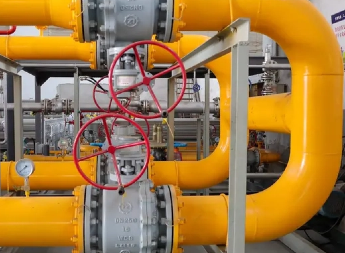
Key ways pressure regulating station technology supports LNG peak shaving
1. It stabilizes gas delivery during sudden demand increases
One of the main challenges in LNG peak shaving is that demand often rises quickly rather than gradually. During cold weather, production surges, or temporary pipeline constraints, the additional gas supply must enter the system smoothly.
Pressure regulating station technology helps maintain stable outlet pressure even when upstream or downstream conditions change. This makes the gas delivery process more controlled and reduces the risk of supply instability.
Stable pressure during peak periods also helps downstream users receive consistent gas quality and operating conditions, which is especially important for combustion systems, industrial processes, and sensitive gas-consuming equipment.
2. It improves responsiveness of the peak shaving system
Peak shaving is valuable because it allows gas systems to respond when demand exceeds the normal supply path. But that response must be fast and reliable. A pressure regulating station supports this by creating a regulated connection point between LNG vaporization output and the receiving gas network.
When pressure is managed correctly, the system can shift from standby mode to active supply mode more effectively. This improves the practicality of LNG peak shaving, especially in applications where supply timing matters.
In other words, pressure regulating station technology helps make peak shaving capacity usable in real operating conditions, not just available on paper.
3. It protects downstream pipelines and equipment
Peak shaving periods often place extra stress on the gas network. If gas is introduced without reliable regulation, downstream components may face pressure surges or unstable flow behavior.
A properly selected pressure regulating station helps prevent these problems by controlling outlet pressure within a defined range. This protects pipelines, valves, burners, meters, and connected equipment from abnormal operating conditions.
In our view, this protective role is one of the most overlooked advantages of pressure regulating station technology. Protecting the downstream system is essential if peak shaving is expected to support long-term supply reliability.
4. It supports safer operation under variable conditions
LNG peak shaving involves changing loads, switching operations, and potentially complex coordination between storage, vaporization, and distribution systems. That makes safety a central concern.
Pressure regulating stations typically include safety devices that help manage abnormal pressure conditions and isolate the system if needed. These features may include shut-off valves, relief valves, alarms, and monitoring instruments.
By combining regulation and protection, the station helps reduce operational risk during the very periods when the system is under the greatest pressure, both literally and operationally.
5. It helps optimize overall system efficiency
Efficiency in LNG peak shaving is not only about how much gas is stored. It is also about how effectively that gas can be delivered when needed. If the gas cannot be introduced at the right pressure or in a stable manner, part of the stored value is lost through inefficient use or operational limitations.
Pressure regulating station technology helps make peak shaving more effective by improving controllability, reducing unnecessary pressure loss, and supporting smoother gas delivery. This contributes to better overall use of LNG assets and infrastructure.
A simple view of its system value
The table below shows how pressure regulating station technology affects different aspects of LNG peak shaving performance.
System Aspect | Without Effective Pressure Regulating Station | With Proper Pressure Regulating Station Technology |
Gas pressure control | Unstable or inconsistent | Stable and controlled |
Response to peak demand | Slower and less predictable | Faster and more reliable |
Downstream equipment protection | Higher stress risk | Better protection |
Operational safety | More risk during switching and load changes | Safer with integrated protection |
Delivery efficiency | Reduced by pressure mismatch | Improved through stable regulation |
Supply continuity | More vulnerable to interruption | More dependable during peaks |
Why station design must match the application
Not every LNG peak shaving project has the same requirements. Some are built for municipal gas systems, some for industrial facilities, and some for regional backup supply. Their pressure levels, gas demand patterns, environmental conditions, and safety requirements may differ significantly.
This is why pressure regulating station technology should always be selected as part of a system solution. Factors that often matter include:
Inlet and outlet pressure range
The station must match both vaporization output conditions and downstream network requirements.
Flow demand
The station should support both normal supplementary use and peak flow periods.
Safety configuration
Different projects may require different levels of shut-off, relief, and monitoring functions.
Environmental suitability
Outdoor or remote installations may need stronger protection against temperature change, corrosion, or maintenance difficulty.
Integration with controls
Some systems benefit from monitoring and control features that improve visibility during peak shaving operation.
A well-matched station helps LNG peak shaving perform as intended under real demand conditions, not just under ideal design assumptions.
Looking beyond basic pressure reduction
It is easy to think of a pressure regulating station as a supporting accessory within an LNG peak shaving project. In reality, it is one of the key technologies that helps stored LNG become useful supply at the right time and in the right way.
Peak shaving depends on coordination. Storage provides reserve capacity, vaporization converts LNG into gas, and pressure regulation makes that gas usable for real delivery conditions. Without reliable regulation, the chain is incomplete.
For this reason, pressure regulating station technology should be viewed not just as a pressure control device, but as part of the operational intelligence of the LNG peak shaving system.
Conclusion
Pressure regulating station technology supports LNG peak shaving by stabilizing gas pressure, improving response to sudden demand changes, protecting downstream systems, and helping operators maintain safer and more efficient delivery conditions. It turns stored LNG into a more practical and controllable supply resource when peak demand arrives.
For LNG projects focused on flexible supply and dependable system performance, the right pressure regulating station solution is an important part of the overall design. Readers who want to learn more about LNG pressure regulation, peak shaving support, and related gas system solutions can explore NOBLEST EQUIPMENT TECH LIMITED for further information.
FAQ
Q: What is the role of a pressure regulating station in LNG peak shaving?
A: It helps control gas pressure after LNG vaporization so the gas can be delivered safely and steadily during peak demand periods.
Q: Why is pressure control important in LNG peak shaving systems?
A: Pressure control is important because it keeps gas delivery stable, protects downstream equipment, and improves supply reliability when demand rises quickly.
Q: How does pressure regulating station technology improve LNG peak shaving efficiency?
A: It improves efficiency by supporting stable gas flow, reducing pressure fluctuations, and helping stored LNG be used more effectively during high-demand periods.
Q: What should be considered when selecting a pressure regulating station for LNG peak shaving?
A: Key factors include pressure range, flow capacity, safety features, environmental conditions, and compatibility with the full LNG system.


