Choosing the right CNG pressure reducing station solution is essential for building a safe, efficient, and reliable gas supply system. In our experience, many system problems come not from the gas source itself, but from poor pressure control, unsuitable equipment, or a station design that does not match actual operating conditions. That is why a pressure reducing station should be seen as a key part of overall CNG system performance, not just a basic accessory.
A CNG pressure reducing station lowers high-pressure gas to a safe and usable level for downstream equipment, while also helping maintain flow stability, improve safety, and protect connected systems. As CNG is used in more industrial, commercial, and distributed energy applications, selecting the right station requires more than comparing specifications. It means understanding how the solution will fit the full gas delivery process and perform over the long term.
Why station selection matters
In any CNG system, gas pressure at the source is typically much higher than the pressure required at the point of use. Without proper reduction and regulation, that high pressure can create serious safety risks, unstable flow conditions, and unnecessary stress on downstream equipment.
A well-matched pressure reducing station helps bridge that gap. It makes sure the gas delivered to the user is stable, controlled, and compatible with the equipment that receives it. This improves daily performance and reduces the chance of interruptions or maintenance problems.
When the wrong solution is selected, the system may face several issues:
Pressure fluctuations during peak demand
Difficulty maintaining consistent outlet pressure
Increased wear on valves and regulators
Poor safety coordination
Higher maintenance frequency
Reduced overall gas supply efficiency
For this reason, station selection should be based on actual system requirements rather than general assumptions.
What a CNG pressure reducing station does
A CNG pressure reducing station is generally installed between the high-pressure gas supply and the downstream gas consumption system. Its main function is to reduce pressure from storage or supply levels to the desired operating range.
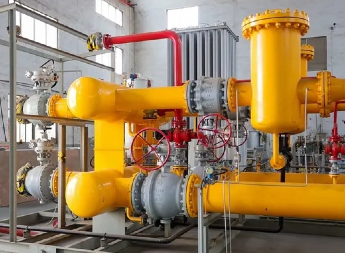
In practical use, the station usually includes more than a regulator. A complete solution may also include filters, shut-off valves, relief devices, pressure gauges, flow meters, heaters, monitoring instruments, and control systems. Together, these parts create a stable and protected gas control point.
Its role in the system
A good pressure reducing station solution helps achieve several important goals:
Stable outlet pressure
Safer gas delivery
Better equipment protection
Improved adaptability to load changes
Easier operation and maintenance
This is why the best choice is often not the cheapest station or the one with the highest pressure rating. It is the solution that best matches the real needs of the project.
Key factors to consider when choosing a CNG pressure reducing station solution
1. Inlet and outlet pressure requirements
This is the first and most basic factor. The pressure reducing station must be able to handle the actual inlet pressure from the gas source and deliver the outlet pressure required by downstream equipment.
If the station is not designed for the correct pressure range, performance and safety will both suffer. An oversized pressure range can reduce control precision, while an undersized design may not meet operating demand.
When reviewing pressure requirements, it is important to consider:
Maximum inlet pressure
The station must safely handle the highest possible supply pressure.
Target outlet pressure
The outlet pressure should match the requirements of burners, boilers, process equipment, or pipeline networks.
Pressure stability range
Some applications need very steady pressure even when demand changes quickly. In these cases, tighter regulation performance is important.
2. Flow capacity and demand variation
Flow demand is just as important as pressure. A station must be sized not only for average gas use, but also for peak demand and sudden load changes.
Some systems operate at a stable load throughout the day. Others have large fluctuations caused by production schedules, heating cycles, or intermittent equipment use. A pressure reducing station that performs well under one condition may struggle under another.
When selecting capacity, it is helpful to look at:
Normal operating flow
Peak flow demand
Minimum load conditions
Future expansion needs
Choosing a station only for current average flow may create bottlenecks later. On the other hand, excessive oversizing may affect control quality at low load.
3. Safety protection features
A CNG pressure reducing station must be selected with safety in mind from the beginning. High-pressure gas systems require dependable protective functions, especially in industrial and public-use environments.
Important safety features may include:
Overpressure shut-off valves
Safety relief valves
Emergency isolation functions
Pressure monitoring instruments
Leak-resistant design
Alarm and control integration
The right level of safety protection depends on the project scale, application type, installation environment, and local operating requirements. In our view, safety should not be added later as an extra option. It should be part of the original station design.
4. Gas quality and filtration needs
Gas quality affects regulator performance and station service life. If contaminants, moisture, or particulates are present, the station may require proper filtration or additional conditioning components.
Without suitable filtration, regulators and valves may wear faster, respond less accurately, or need more frequent maintenance. This can reduce both performance and reliability.
For projects where gas quality may vary, filtration should be considered an important part of the station solution rather than a minor detail.
5. Environmental and installation conditions
Not every CNG pressure reducing station operates in the same environment. Some are installed in controlled industrial spaces, while others are placed outdoors in areas with temperature changes, dust, humidity, or limited maintenance access.
Environmental factors can affect:
For example, outdoor installations may need weather protection and stronger material resistance. Remote projects may benefit from easier service access and more robust monitoring systems. The right solution should reflect the real installation conditions, not just standard indoor assumptions.
6. System layout and integration
A pressure reducing station must work as part of the larger gas system. That means the selection process should consider how it connects with upstream gas supply equipment and downstream consumption systems.
Questions to ask include:
Is the station compatible with the pipeline layout?
Does it match the control logic of the full system?
Is instrumentation needed for remote monitoring?
Will the station support future system upgrades?
A well-integrated station improves not only pressure control but also overall operation, inspection, and maintenance efficiency.
7. Maintenance and long-term serviceability
The best CNG pressure reducing station solution is not only the one that performs well on the first day. It is the one that remains stable, serviceable, and efficient over time.
Maintenance should be considered early in the selection process. Some designs are easier to inspect, clean, and repair than others. Readily accessible components and clear station layout can reduce downtime and simplify routine service work.
Long-term serviceability often depends on:
Quality of core components
Ease of replacement for wear parts
Clear instrument arrangement
Practical station structure
Availability of technical support
Choosing a station with lower maintenance burden can improve total operating efficiency over the life of the project.
A simple comparison of selection priorities
The table below shows how different selection factors influence the final suitability of a CNG pressure reducing station solution.
Selection Factor | Why It Matters | Poor Match Result | Good Match Result |
Inlet and outlet pressure | Ensures correct pressure reduction | Unstable or unsafe gas delivery | Stable and controlled pressure |
Flow capacity | Supports actual gas demand | Bottlenecks or poor low-load performance | Reliable operation across load changes |
Safety features | Protects system and users | Higher operational risk | Safer and more dependable use |
Filtration and gas quality handling | Protects regulators and valves | Faster wear and more maintenance | Better durability and performance |
Environmental suitability | Supports real installation conditions | Corrosion, damage, or reduced reliability | Stronger long-term operation |
System integration | Improves compatibility and control | Difficult operation and poor coordination | Smoother overall system performance |
Maintenance design | Affects lifecycle efficiency | Higher downtime and service costs | Easier maintenance and longer service life |
Common mistakes when choosing a solution
Even experienced buyers sometimes focus too much on initial price or basic pressure rating while overlooking real operating needs. This can lead to a station that technically works, but does not work well.
Choosing only by maximum pressure
A high pressure rating does not automatically mean the station is the best fit. Actual control range and operating behavior matter more.
Ignoring load variation
If demand changes sharply during operation, the station must be able to respond smoothly. A solution designed only for static conditions may create problems later.
Underestimating safety requirements
Projects involving high-pressure gas should not rely on minimal protection design, especially when the station serves industrial or commercial users.
Overlooking maintenance access
A compact design may look efficient on paper, but poor access can make service more difficult and costly in real use.
Matching the station to the application
Different applications often require different station priorities. For example, an industrial combustion system may focus on flow stability and pressure control precision, while a distributed gas supply project may place greater emphasis on safety integration and environmental durability.
This is why the right CNG pressure reducing station solution should always be selected according to the application rather than by a single standard model.
Industrial use
Industrial systems often need stable pressure, continuous operation, and durable components for demanding use cycles.
Commercial gas supply
Commercial projects may prioritize safe daily operation, compact station layout, and dependable pressure control for variable consumption periods.
Regional or remote supply
These projects may need strong environmental adaptability, lower maintenance demand, and better monitoring support.
Why engineering support matters
In our experience, choosing the right station is not just about equipment selection. It is also about understanding the full gas process and designing a solution that fits real conditions.
Good engineering support helps identify the correct pressure range, flow demand, safety configuration, layout requirements, and long-term operating priorities. This reduces the chance of mismatch and helps the station perform as expected after installation.
A strong solution usually comes from combining reliable equipment with practical system understanding.
Conclusion
Choosing the right CNG pressure reducing station solution means looking beyond basic pressure reduction and focusing on how the station will perform within the full gas supply system. Pressure range, flow demand, safety protection, filtration, environmental suitability, integration, and maintenance should all be considered carefully.
For projects that need safe, stable, and efficient CNG delivery, the right station solution can make a major difference in daily performance and long-term reliability. To learn more about practical CNG pressure reducing station solutions and related gas system support, readers can explore NOBLEST EQUIPMENT TECH LIMITED for further information.
FAQ
Q: What is the main function of a CNG pressure reducing station?
A: Its main function is to reduce high-pressure CNG to a safe and usable pressure for downstream equipment or gas systems.
Q: How do I choose the right CNG pressure reducing station solution?
A: You should consider pressure range, flow capacity, safety features, installation conditions, and system compatibility.
Q: Why is flow capacity important in a CNG pressure reducing station?
A: Flow capacity is important because it affects whether the station can maintain stable gas delivery during normal use and peak demand.
Q: What safety features should a CNG pressure reducing station include?
A: Common safety features include shut-off valves, relief valves, pressure monitoring instruments, and emergency isolation functions.


